
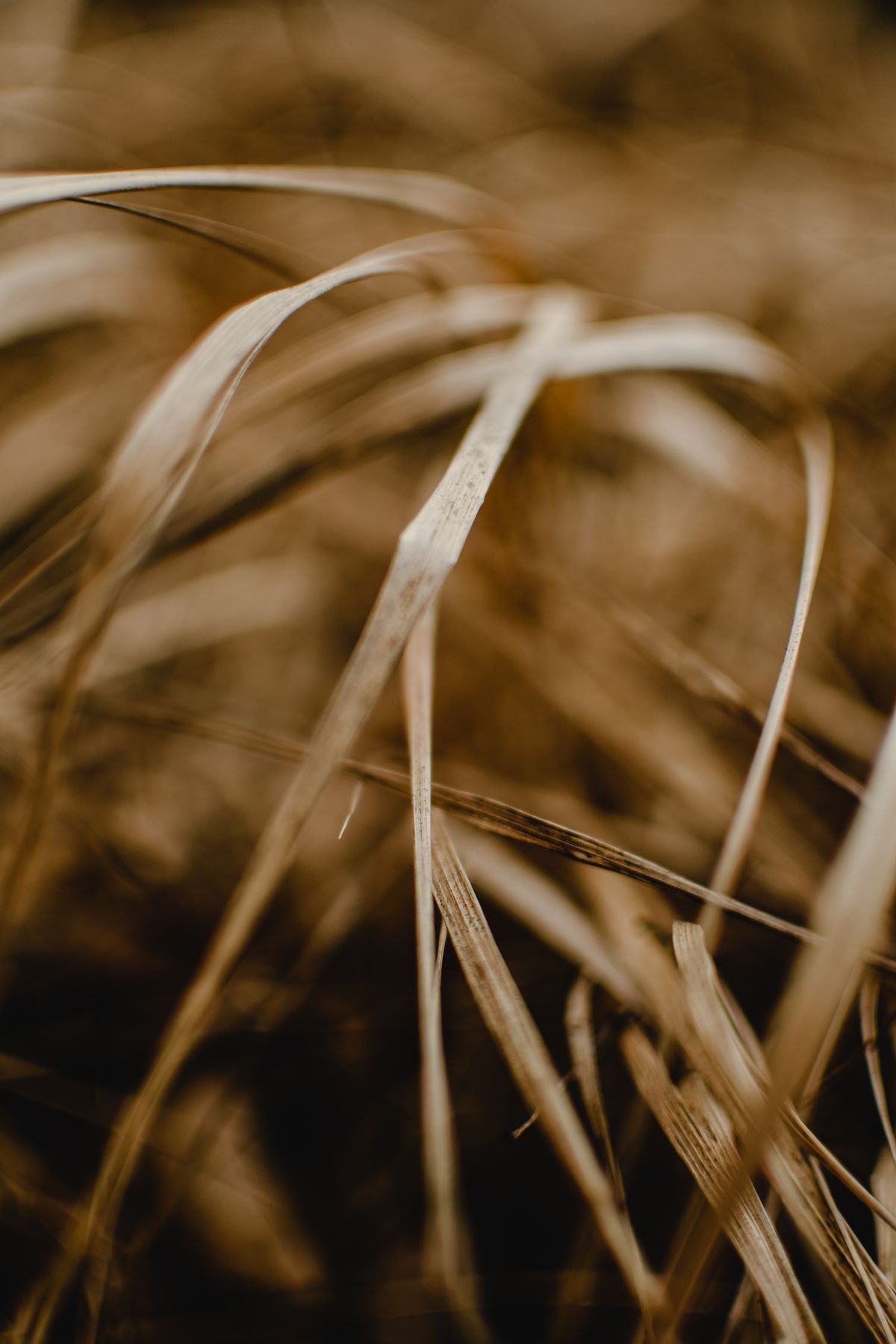
Curling grass blades alarm a lot of homeowners because it looks dramatic — a lawn that was flat and lush suddenly looks wilted and rolled up. The good news: in most cases, curling is the grass doing exactly what it’s supposed to do under heat stress, not a sign something is badly wrong.
The Normal Cause: Heat/Drought Stress
What it looks like: Blades roll or fold lengthwise, giving the grass a thinner, wirier appearance and often a slightly duller color. It’s most visible during the hottest part of the day and can look less severe again by evening or the next morning if the grass gets watered.
Why it happens: Rolling the blade reduces the surface area exposed to sun and wind, which cuts down on water loss through the leaf. It’s a built-in defense mechanism, not damage — the grass is protecting itself while it waits for water.
Which grass does this most: We see this most often in Zoysia varieties (Palisades, Emerald, Zeon, Stadium) during peak Austin summer heat, though any grass can curl under enough heat/drought stress. It’s actually a reasonably good sign in one way — it means the grass is responding appropriately to stress rather than just wilting and dying outright.
What to do: Water. If curling shows up consistently in the same area, that spot may need a longer or more frequent watering cycle than the rest of the lawn — check for sun exposure differences, slope, or soil compaction in that specific zone. Follow the watering guidance in our Lawn Care Guide as a baseline and adjust upward during extreme heat.
When Curling Might Mean Something Else
Curling on its own, responding normally to water, is not something to worry about. Watch for these accompanying signs that point to a different problem instead:
- Curling plus yellow or brown discoloration that doesn’t improve after watering — check our Grass Turning Yellow guide, since a nutrient or disease issue could be compounding the heat stress.
- Curling plus visible lesions or spots on the blades — could indicate gray leaf spot in St. Augustine, which sometimes causes blade distortion alongside the characteristic spotting.
- Curling that doesn’t resolve even after a good deep watering and a cooler day — worth a closer look, since normal heat-stress curling should visibly improve once the plant isn’t actively losing water faster than it can take it up.
The Simple Test
Water the curled area thoroughly (following your normal watering schedule, not an emergency flood) and check back in 24 hours, ideally on a day that isn’t a record-heat day. If the blades have relaxed and flattened back out, it was heat stress and the grass is fine — no further action needed beyond making sure that zone gets adequate water going forward. If it’s still curled, dull, or discolored after a normal watering cycle, treat it as a possible disease or pest issue and check the other troubleshooting guides linked above.
Bottom Line
Curling is your lawn’s early-warning system for heat/drought stress — it’s actually useful information, not damage. The lawns that get into real trouble are usually the ones where curling was ignored for weeks in a row rather than treated as the “grass is asking for water” signal it usually is.
Questions About Your Specific Lawn?
Call (936) 510-0964 and describe what you’re seeing — we talk through this exact scenario with Central Texas homeowners all summer. If heat stress has caused real dieback rather than just curling, get a quote for repair sod.